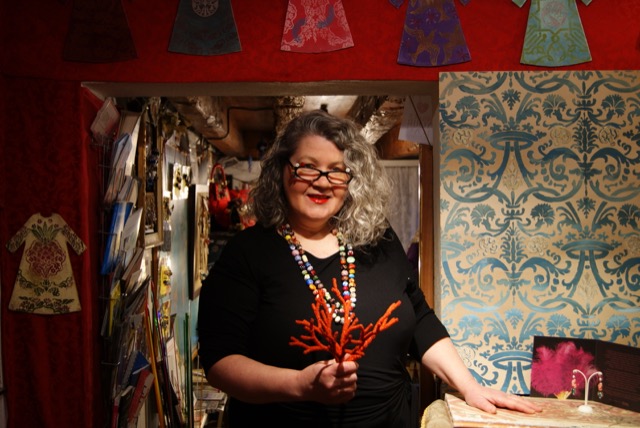
I introduce readers of Italy Explained to Marisa Convento, A Modern-Day Impiraressa. A Modern-Day Impiraressa by JoAnn Locktov Impiraressa. Now say the word slowly. Impiraressa. It rolls off your tongue with images of imperial empresses. In truth, it is the Venetian word for bead-stringer. Not everything made on Murano was for the immediate pleasure of the aristocracy. The glass blowers also produced the humble bead. The minute perfections of glass needed to be strung before they …
Venice
Having Lunch on Francesco Time
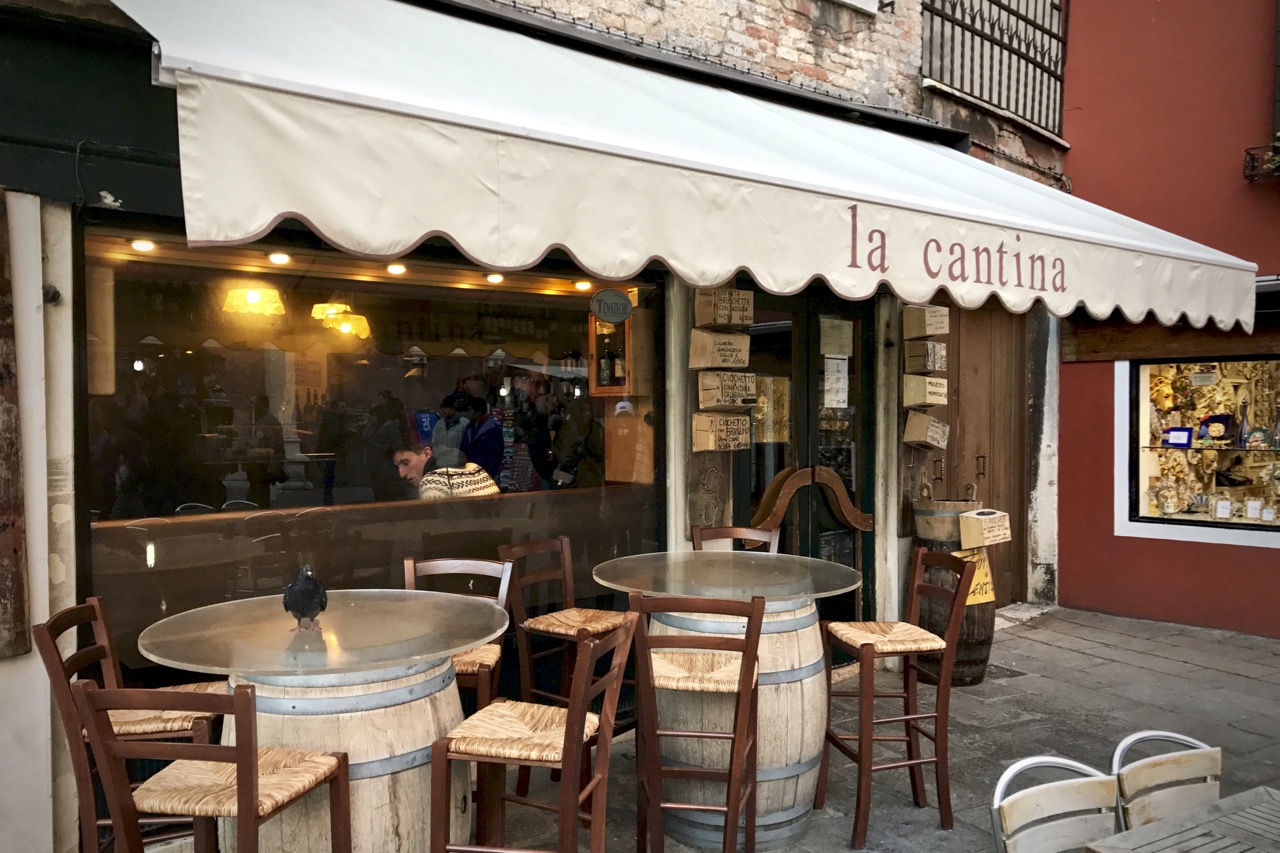
Lunch at La Cantina In Memoriam by JoAnn Locktov It helps to be hungry. Anticipation is heightened when your stomach is empty. Today I had an errand on the Strada Nuova, which also happens to be where La Cantina is located. I could only take several steps past the front door; the place was swarming with customers. Many seemed to be simply swilling wine. Were they waiting for their lunch or were they were ignorant of the gastronomic possibilities? My heart sank; there was …
Dream of Venice Architecture
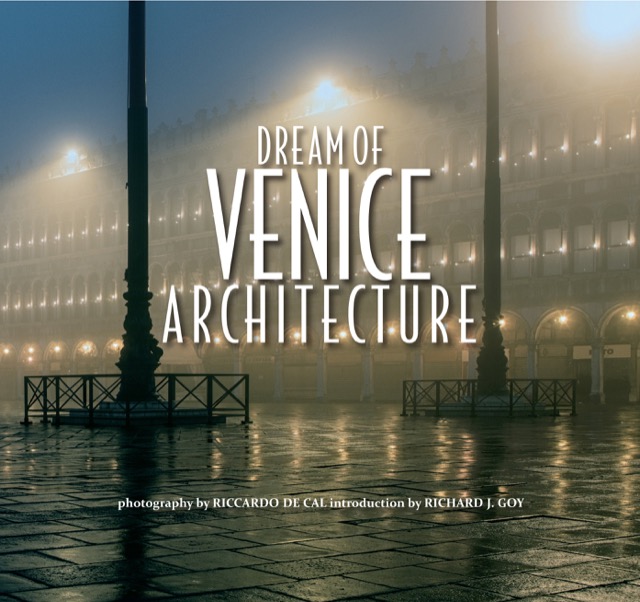
Winner of an IPPY Silver Award in Architecture Finalist for the 2016 Foreword Indies Award in Architecture An intimate journey through the remarkable Venetian urban landscape, this book reveals the architectural features that contribute to the incredulity of the beautiful city from the mysterious sotoporteghi to the complexity of Carlo Scarpa's "immaculate detailing". Evocative photographs complement the personal reveries contributed by 36 notable international architects and architectural …
Dream of Venice
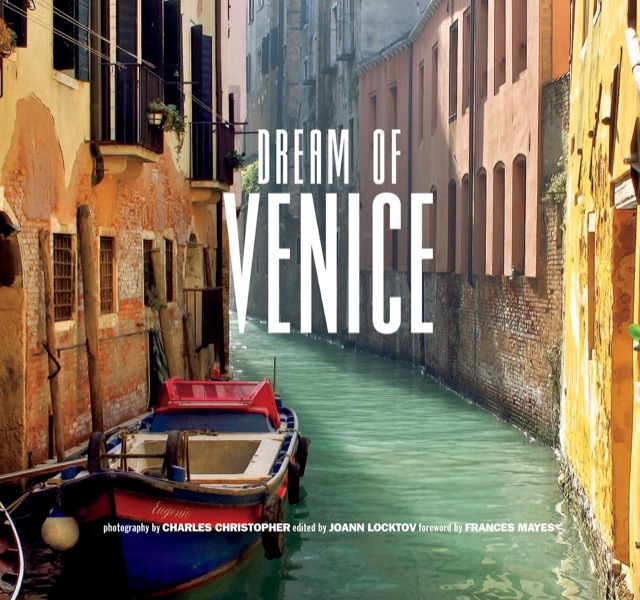
The mysterious allure of the ancient floating city of Venice is captured in this book of evocative photography and beguiling words of a diverse group of contemporary Venetophiles. The luminous photographs, in both color and black and white, complement the intimate thoughts, memories, poems, and stories of notable contributors from the worlds of art, literature, design, cuisine, music, and filmmaking. Readers will want to listen to the silence of the canals and get lost in the ethereal mist of …
Modern in Murano: The Sisters Sent’s Wearable Glass Jewelry

When Venice was an island of wooden structures in the thirteenth century, glassmakers were confined to the neighboring island of Murano. Because of the threat of fire, it was too dangerous to allow them to remain in Venice. The foundries moved in 1291, all the better to isolate the craft and the artisans that revolutionized the alchemy of silica and heat. Susanna and Marina Sent grew up on Murano. Their personal glassmaking lineage reaches back three generations. They came to glassmaking …